Product Description of Steel Wire Coil:
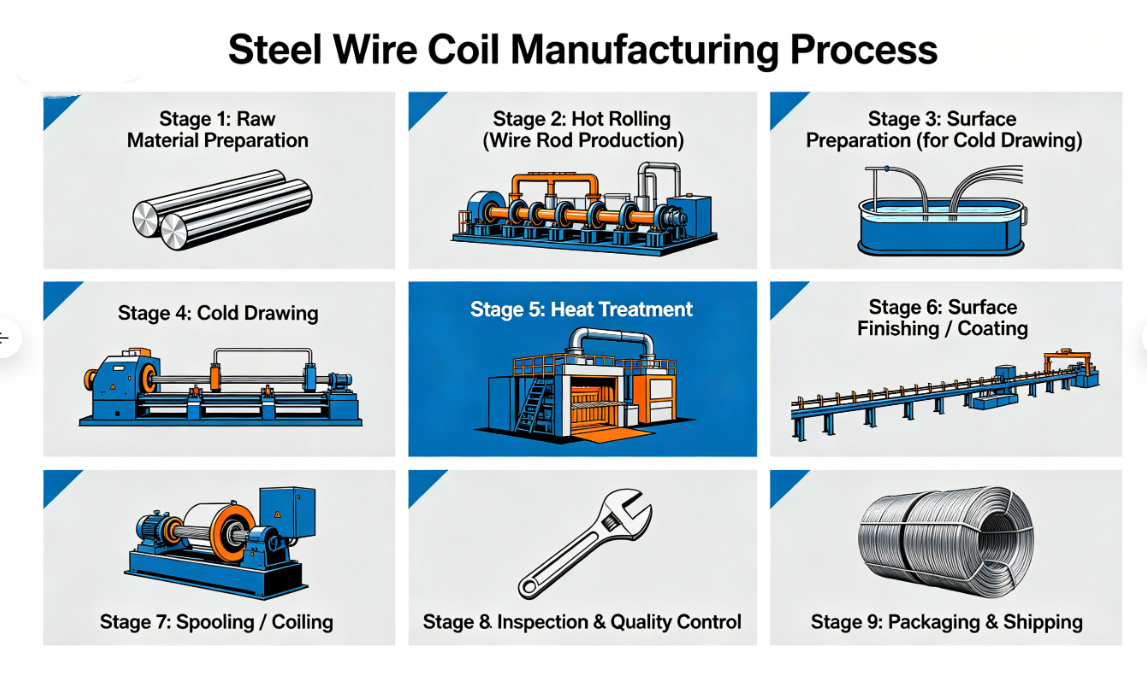
Steel wire coil is a widely used semi-finished metal product. It is produced by processing steel billets into continuous steel wires with uniform diameter through hot rolling or cold drawing, which are then coiled into rolls for easy handling, transportation and subsequent processing. It serves as the raw material for countless industrial, construction and consumer products.
Steel wire coils come in a wide range of diameters (typically 0.1 mm to 12.5 mm), with varying carbon contents (low, medium and high), diverse surface treatments (bright finish, galvanized, copper-plated, phosphating), and different tensile strengths (from 290 MPa to over 2000 MPa), enabling them to meet various application requirements.
Depending on the application and material, the English expressions vary slightly:
Steel Wire Coil: A general term applicable to various types of metal wire coils, including carbon steel and alloy steel.
Stainless Steel Wire Coil: Specifically refers to stainless steel material, emphasizing corrosion resistance. Commonly used in food, medical, and marine environments.
Coiled Steel Wire: Focuses on describing the physical form of "steel wire in coil shape." Often used in transportation and storage scenario descriptions.
Wire Rope Coil: Refers to wire that has been braided into a rope-like structure (e.g., 7×7 construction) and then coiled. Commonly used in high-strength applications such as railings, rigging, and ships.
Tie Wire Coil: Specifically refers to galvanized or stainless steel tie wire coils used for rebar binding. Commonly seen in construction engineering.
Features & Benefits of Steel Wire Coil
Feature | Benefit |
High tensile strength | Provides excellent load-bearing capacity for structural and reinforcement applications |
Uniform diameter tolerance | Ensures smooth feeding through drawing dies, welding torches, and forming machines |
Consistent chemical composition | Delivers predictable mechanical properties and weldability |
Continuous length coils | Maximizes production uptime – no interruptions for rethreading or rejoining |
Choice of surface treatments | Enables corrosion resistance, improved lubricity, or enhanced electrical conductivity as required |
Good ductility and formability | Allows bending, twisting, flattening, and cold heading without cracking |
Heat treatable | High-carbon grades respond to annealing, quenching, tempering, and patenting for customized properties |
Cost-effective packaging | Secure, palletized coils reduce damage during transport and simplify warehouse handling |
Available Types of Steel Wire Coil
Type | Description | Best Suited For |
Low Carbon Wire Coil | Soft, ductile, easy to weld and form. Tensile strength typically 290–550 MPa. | Binding wire, fencing, mesh, nails, staples, general fabrication |
Medium Carbon Wire Coil | Balanced strength and formability. Tensile strength typically 550–850 MPa. | Wire ropes, chains, springs (moderate stress), fasteners |
High Carbon Wire Coil | Very high strength and wear resistance. Tensile strength up to 2,100+ MPa. | Heavy springs, prestressed concrete, tire bead wire, cable reinforcement |
Galvanized Wire Coil | Zinc-coated for corrosion resistance. Hot-dip or electro-galvanized. Coating weight 40–300 g/m². | Outdoor fencing, agricultural wire, guy wires, construction mesh, cable trays |
Stainless Steel Wire Coil | Chromium content (≥10.5%) provides excellent corrosion resistance. Grades 304, 316, 430, etc. | Marine cables, chemical plant components, food processing screens, medical devices |
Copper-Coated Wire Coil | Thin copper layer improves conductivity and reduces contact tip wear. | MIG welding wire (e.g., ER70S-6) |
Phosphate-Coated Wire Coil | Phosphate layer improves lubrication for cold forming and serves as paint base. | Automotive components, cold-headed parts |
Quality Assurance of Steel Wire Coil
Chemical and mechanical properties verified by spectrographic analysis and tensile testing
Diameter tolerance checked with laser micrometers or precision gauges
Coating weight measured (for galvanized/coated products)
Surface inspection for defects, scale, rust, or damage
Certification available: Mill Test Reports (MTR), Certificate of Conformance (COC), third-party inspection (SGS, BV, Intertek)
Application of Steel Wire Coil:
Construction & Reinforcement:Used as rebar tie wire coils to secure steel reinforcement bars in concrete structures, ensuring stability during pouring and curing
Marine & Outdoor Applications:Stainless steel wire coils (304/316 grade) are ideal for coastal railings, boat rigging, and outdoor sculptures due to excellent corrosion resistance
Industrial Manufacturing:Served as raw material for producing springs, wire mesh, cables, and fasteners, where consistent diameter and tensile strength are critical
Electrical & Fencing Systems:Employed in electric fence installations, cable management, and grounding systems, offering durability and flexibility
DIY & Decorative Projects:Popular in handicrafts, jewelry making, garden trellises, and architectural designs for its malleability and clean appearance




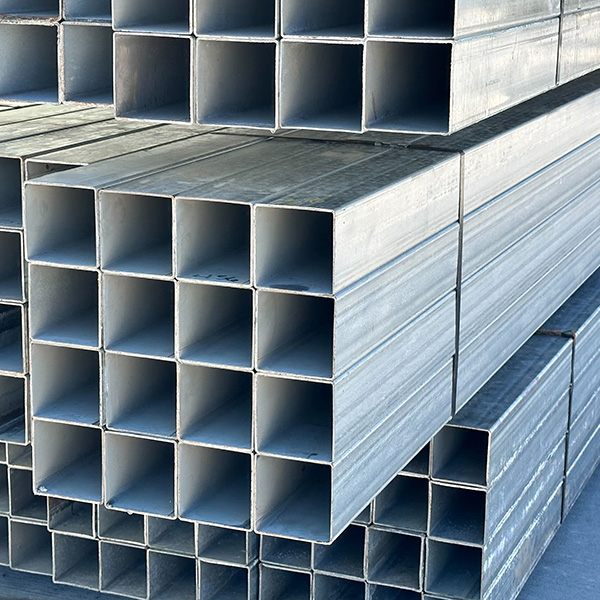


 IntroductionProject introduction:has demonstrated its ability to conduct successful drilling operations in some of the most demanding environments on the planet.Why Choose UsThe other project in the oil sector is the long-planned construction of the petroleum products pipeline system through MexicoOil & Gas Industry
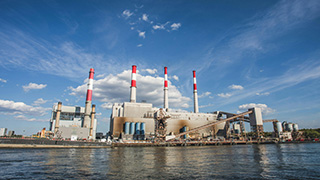 IntroductionPower industry projects demand steel pipes that deliver high strength, heat resistance, and long-term reliability under extreme operating conditions. Designed to withstand high temperature, high pressure, and corrosive environments, these pipes ensure safe and stable energy transmission.Power Industry
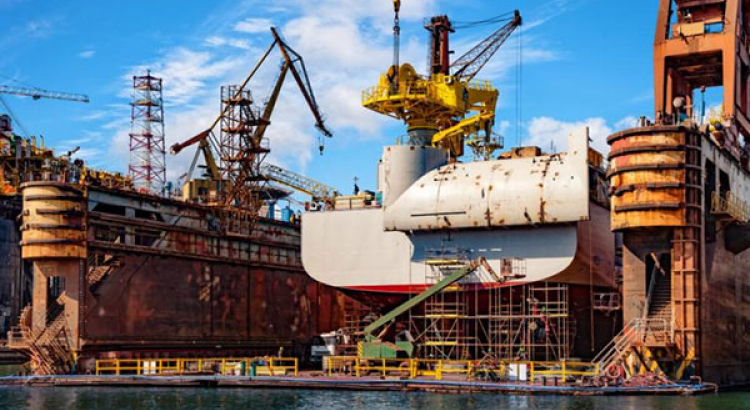
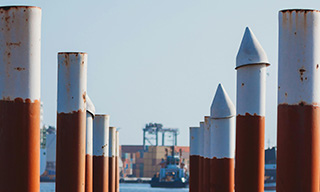 IntroductionSteel pipes used in offshore and marine projects are engineered to withstand extreme conditions, including high pressure, saltwater corrosion, and harsh environments. From subsea pipelines to offshore platforms, these pipes deliver safe, efficient fluid transmission for critical operatioOffshore & Marine
