Product Description of Valve
A valve is a device that controls, regulates, or directs the flow of fluids within a system by opening, closing, or partially obstructing passageways. It plays a critical role in ensuring system safety, efficiency, and operational control across industries such as oil and gas, power generation, water treatment, HVAC, and biomedical engineering.
Types of Valve
Gate Valve: Uses a sliding gate to fully open or close flow; ideal for on/off control with minimal pressure drop
Globe Valve: Linear motion valve with a disc that moves perpendicular to flow; excellent for throttling and precise flow control.
Ball Valve: Quarter-turn rotary valve using a perforated ball; known for quick shut-off, tight sealing, and durability
Butterfly Valve: Compact rotary valve with a disc; widely used in large-diameter pipelines for low-pressure applications
Check Valve: Automatically prevents backflow without external control; essential for pump and compressor protection
Safety Valve / Relief Valve: Releases excess pressure to protect equipment; critical in boilers and pressure vessels
Throttle Valve / Needle Valve: Fine-tunes flow rate; commonly used in instrumentation and fuel systems
Diaphragm Valve: Uses a flexible diaphragm to isolate flow; suitable for corrosive or sterile media


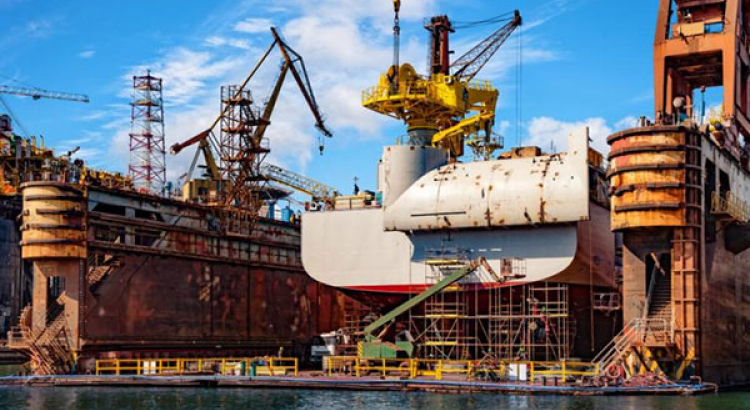 IntroductionProject introduction:has demonstrated its ability to conduct successful drilling operations in some of the most demanding environments on the planet.Why Choose UsThe other project in the oil sector is the long-planned construction of the petroleum products pipeline system through MexicoOil & Gas Industry
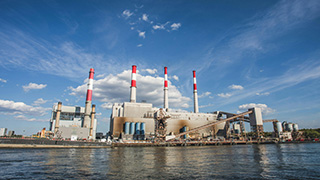 IntroductionPower industry projects demand steel pipes that deliver high strength, heat resistance, and long-term reliability under extreme operating conditions. Designed to withstand high temperature, high pressure, and corrosive environments, these pipes ensure safe and stable energy transmission.Power Industry
 IntroductionSteel pipes used in offshore and marine projects are engineered to withstand extreme conditions, including high pressure, saltwater corrosion, and harsh environments. From subsea pipelines to offshore platforms, these pipes deliver safe, efficient fluid transmission for critical operatioOffshore & Marine
