Standard | Size | Width Across Flats | Length |
DIN6334
| M4 | 7mm | 12mm |
| M5 | 8mm | 15mm, 20mm |
| M6 | 8mm, 9mm, 10mm | 10mm, 15mm, 18mm, 20mm, 25mm, 30mm, 40mm |
| M7 | 9mm, 11mm | 15mm, 21mm, 25mm |
| M8 | 11mm, 12mm, 13mm, 14mm | 20mm, 24mm, 25mm, 28mm, 29mm, 30mm, 32mm, 40mm, 50mm |
| M9 | 11mm | 19mm |
| M10 | 13mm, 14mm, 17mm, 19mm | 20mm, 21mm, 25mm, 30mm, 35mm, 40mm, 45mm, 50mm |
| M11 | 14mm | 24.5mm |
| M12 | 17mm, 19mm, 22mm | 20mm, 25mm, 30mm, 35mm, 36mm, 40mm, 45mm, 48mm, 50mm, 70mm |
| M13 | 17mm | 29mm |
| M14 | 19mm, 21mm, 22mm | 24mm, 25mm, 30mm, 38mm, 40mm, 42mm, 56mm |
| M15 | 19mm | 32mm |
| M16 | 22mm, 24mm | 30mm, 40mm, 48mm, 50mm, 60mm, 70mm |
| M18 | 27mm | 54mm |
| M20 | 30mm | 38mm, 50mm, 60mm, 80mm |
| M22 | 32mm | 66mm |
| M24 | 36mm | 50mm, 72mm, 80mm, 96mm |
| M27 | 41mm | 81mm |
| M30 | 46mm | 60mm, 90mm, 120mm |
ANSI B18.2.2
| 1/4″ | 3/8″, 7/16″ | 13/32″, 3/4″, 7/8″, 1″ |
| 5/16″ | 3/8″, 7/16″, 15/32″, 1/2″ | 13/32″, 7/8″, 1″, 1-3/16″, 1-9/16″, 1-3/4″ |
| 3/8″ | 1/2″, 9/16″, 5/8″ | 1″, 1-1/8″, 1-3/16″, 1-9/16″, 1-3/4″, 2″ |
| 7/16″ | 5/8″, 11/16″ | 1-3/4″ |
| 1/2″ | 5/8″, 3/4″, 11/16″, 3/4″ | 19/32″, 1-1/4″, 1-1/2″, 1-9/16″, 1-3/4″, 2″ |
| 5/8″ | 1/2″, 3/4″, 13/16″, 15/16″ | 1″, 1-3/16″, 1-1/2″, 1-29/32″, 2″, 2-1/8″ |
| 3/4″ | 15/16″, 1″, 1-3/32″ | 1-1/4″, 2″, 2-1/4″, 2-1/2″, 2-9/16″ |
| 7/8″ | 1-1/8″, 1-1/4″, 1-5/16″ | 1″, 1-3/32″, 1-1/8″, 2-1/4″, 2-1/2″ |
| 1″ | 1-1/4″ | 2-1/2″ |
| 1-1/8″ | 1-5/8″, 1-11/16″ | 1-1/2″, 3″ |
| 1-1/4″ | 1-5/8″ | 3″ |
| 1-1/2″ | 2″ | 4″ |


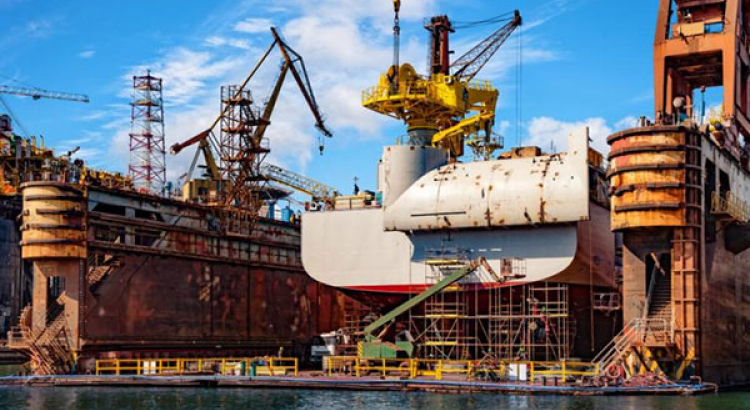 IntroductionProject introduction:has demonstrated its ability to conduct successful drilling operations in some of the most demanding environments on the planet.Why Choose UsThe other project in the oil sector is the long-planned construction of the petroleum products pipeline system through MexicoOil & Gas Industry
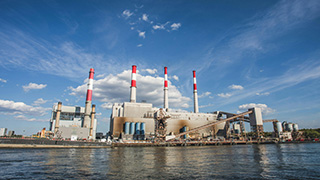 IntroductionPower industry projects demand steel pipes that deliver high strength, heat resistance, and long-term reliability under extreme operating conditions. Designed to withstand high temperature, high pressure, and corrosive environments, these pipes ensure safe and stable energy transmission.Power Industry
 IntroductionSteel pipes used in offshore and marine projects are engineered to withstand extreme conditions, including high pressure, saltwater corrosion, and harsh environments. From subsea pipelines to offshore platforms, these pipes deliver safe, efficient fluid transmission for critical operatioOffshore & Marine
