Product Description of Flange
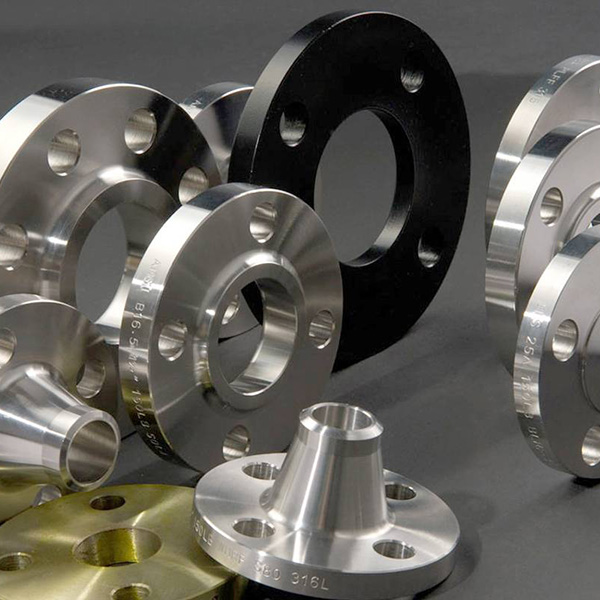
Flanges, which are classified according to various connection types, are made in different sizes according to the application. About the material that will be selected according to the highest heat and pressure values to be exposed to the system to be used, the possible corrosion rate to be exposed to the line, and the area where the flange will be used. Flanges are important parts to connect the whole pipeline system. On one part to connect the steel pipes, and the other part to connect the valves, pumps, or other equipment. Offering the second most used joining method after the welding process. It be more flexibility when maintaining systems. To make the whole project more stable and flexible.
Types of Flange
Slip-On Flange
The slip-on flange is the common type of flange. And it is available in a range of sizes to accommodate systems with high flow rates and throughput. Slip-on flanges are set so the inserted end of the pipe or fitting is set back to the wall of the parts plus 3mm, allowing for a fillet weld to be made inside the flange, and outside of the flange is also welded with a fillet weld. Slip-On flange also exists as a reduction where a larger slip-on flange blank is cut out to accommodate a smaller connection size. Installation is slightly more technical as you’ll need fillet weld both sides to secure the flange to the pipe.
Welding Neck Flange
Weld neck flanges are visually different from other flange types by their long tapered hub and smooth transition of thickness up to where the butt weld joins to a pipe or a fitting. The weld neck flanges, which are connected to the pipes by welding face-to-face, are connected like flat flanges to ensure complete tightness.
Threaded Flange
Threaded flange, as know as a screwed flange. This flange has a thread inside the flange bore. It can fit with the matching male thread on the pipe or fitting. For the thread bore. The flange was bored out initially to match the specific pipe inside diameter. And then the flange is then machined with the desired tapered size pipe thread. The threaded flange connection type means that avoiding welding in many use situations.
Lap Joint Flange
The lap joint flange is two piece design. It is used in conjunction with a stub end where the flange is slipped over the stud end fitting, which is then connected to either pipe or another fitting by other mechanical means. Such as welding. The flange itself is not fixed and is left loose for proper alignment with the connection it is matching to. The benefits of this assembly is if there is frequent or rapid disassembly and assembly during maintenance of the piping system.
Blind Flange
Blind flanges are made to the sizing specification as all flanges, but there is no center hole or place to connect piping components. It is used for terminating or isolating piping systems; blind flanges are essentially boltable blank discs. When installed properly and combined with the correct gaskets, they can achieve an outstanding seal, which is easy to remove when needed.
Socket Weld Flange
Socket Weld flange looks like a Slip-On flange. The key difference is that the Socket Weld flange is machined out to match a specific pipe size socket to take the pipe O.D. Once the pipe is set in place, the back side of the flange and pipe is fillet-welded to finalize the connection. Socket weld flanges are primarily used to make flanged joints in the smaller bore pipe size ranges. It will be used in the smaller steel pipe diameters in low-temperature and low-pressure scenarios. Socket-weld flanges feature a connection in which you place the pipe into the flange and then secure the connection with a single multi-pass fillet weld.
Standard of Flange
The following standards are applied in the design, manufacture, and selection of pipe flanges.
| Standard System | Standard Number | Scope / Title | Pressure Class / Material |
|---|
| American Standards | ASME B16.1 | Cast Iron Flanges and Flanged Fittings | - |
| ASME B16.5 | Pipe Flanges and Flanged Fittings | - |
| ASME B16.24 | Bronze Flanges and Fittings | Classes 150 and 300 |
| ASME B16.42 | Ductile Iron Pipe Flanges and Flanged Fittings | Classes 150 and 300 |
| ASME B16.47 | Large Diameter Steel Flanges | - |
| Material Standards | ASTM A 105 | Carbon Steel Flange | - |
| ASTM A 182 | Stainless Steel Flange | - |
| ASTM A 350 | Carbon & Low Alloy Steel Flanges for Low Temp. Services | - |
| European Standards | EN 1092-1 | Steel Flanges | PN 2.5 to PN 400 |
| EN 1092-2 | Cast Iron Flanges | PN 2.5 to PN 63 |
| EN 1092-3 | Copper Alloy Flanges | PN 6 to PN 40 |
| EN 1092-4 | Aluminium Alloy Flanges | PN 10 to PN 63 |




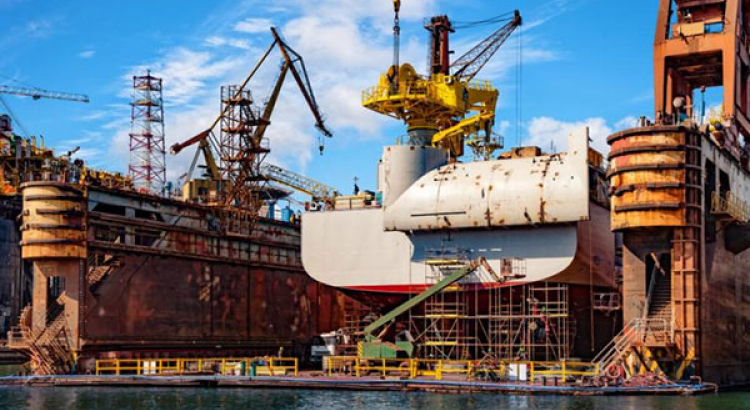 IntroductionProject introduction:has demonstrated its ability to conduct successful drilling operations in some of the most demanding environments on the planet.Why Choose UsThe other project in the oil sector is the long-planned construction of the petroleum products pipeline system through MexicoOil & Gas Industry
 IntroductionPower industry projects demand steel pipes that deliver high strength, heat resistance, and long-term reliability under extreme operating conditions. Designed to withstand high temperature, high pressure, and corrosive environments, these pipes ensure safe and stable energy transmission.Power Industry
 IntroductionSteel pipes used in offshore and marine projects are engineered to withstand extreme conditions, including high pressure, saltwater corrosion, and harsh environments. From subsea pipelines to offshore platforms, these pipes deliver safe, efficient fluid transmission for critical operatioOffshore & Marine
