


Products


- Keywords: Steel Grating, Steel Bar Grating
- Size: can be customized according to actual application scenarios and load requirements.
- Standard: YB/T 4001.1-2019, ANSI/NAAMM MBG531-00, BS4592, DIN 24537-1, AS1657
- Features: high strength and stable load-bearing, good ventilation and light transmission, anti-slip performance, easy installation and maintenance, corrosion resistance, and versatility.
- Application: various industrial and civil constructions in city road, gardens, yard, airport, railway and industrial engineering
Product Description of Steel Grating
Steel grating, also known as steel bar grating or lattice steel plate, is an open-grid metal floor panel composed of load-bearing flat bars and cross bars welded or mechanically locked at regular intervals. It is designed to provide high strength-to-weight ratio, excellent load-bearing capacity, and free passage of light, air, and fluids, making it ideal for industrial and architectural applications.
Materials & Surface Treatment of Steel Grating
Materials of Steel Grating
Mild Carbon Steel: The most common and cost-effective choice.
Stainless Steel (304/316): Used for high corrosion resistance in harsh, humid, or chemical environments.
Aluminum Alloy: Lightweight with good corrosion resistance, suitable for specific lightweight applications.
Surface Finishes of Steel Grating
Hot-Dip Galvanized (HDG): Standard outdoor finish; provides excellent anti-rust and anti-corrosion protection.
Electro-Galvanized: Thinner zinc coating for indoor or less demanding environments.
Mill Finish (Raw Steel): Uncoated, for indoor use.
Powder Coated/Painted: Custom colors for architectural aesthetics.
Types of Steel Grating by Manufacturing Method
Welded Steel Gratings
Bearing bars and cross bars are fused by resistance welding. Offers exceptional strength and durability for heavy industrial loads.

Press-Locked (Swage-Locked) Steel Gratings
Cross bars are mechanically locked into precision notches in the bearing bars. Features a smooth, uniform appearance, ideal for architectural and light industrial uses.

Serrated Steel Gratings
Bearing bars have a serrated (toothed) surface for superior anti-slip traction in wet, oily, or high-traffic areas.

Key Features & Advantages of Steel Bar Grating
High Strength-to-Weight Ratio: Strong load capacity while being lightweight.
Superior Ventilation & Light Transmission: Open design allows air, light, and heat to pass through.
Self-Cleaning & Low Maintenance: Does not accumulate dirt, rain, or snow; easy to clean.
Corrosion Resistance: Long service life, especially when galvanized.
Anti-Slip & Explosion-Proof: Safe for industrial and wet environments.
Easy Installation & Dismantling: Convenient for construction and modification.
Aesthetic Appeal: Clean, modern appearance.
Application of steel grating
Industrial Platforms & Walkways: Used in power plants, petrochemical facilities, and factories
Stair Treads: Often made with serrated steel grating for safety
Trench & Drain Covers: Allows water and debris to pass through; self-cleaning design
Architectural Cladding: Used in facades, ceilings, and sunshades for aesthetic and functional benefits
Container Flooring: Provides ventilation and high load capacity
Mezzanine Floors & Maintenance Platforms: Lightweight yet strong alternative to solid steel plates
In architectural design, steel grating is praised for its permeability to light and air, reducing visual bulk while maintaining structural function .
Customized Service:
When customizing the size, it is necessary to confirm the load-bearing requirements, installation space and transportation conditions: the width should not exceed 1500mm (to avoid deformation during transportation); the length should be controlled within 6000mm as much as possible; for special environments (such as narrow spaces), non-standard sizes can be customized, and the thickness and spacing of bearing bars can be adjusted according to the actual load.
Orich Metal has engaged in the steel industry for 30+ years with rich experience and strong strengths. We offers a comprehensive range of steel bar grating, including sizes, lengths and grades.
Get a free quote and special discount now: info@orichpipe.com

Related Products


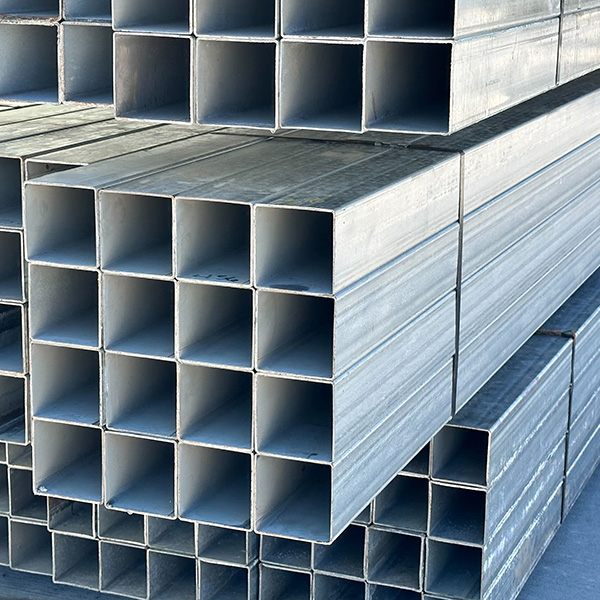


Related Projects
-
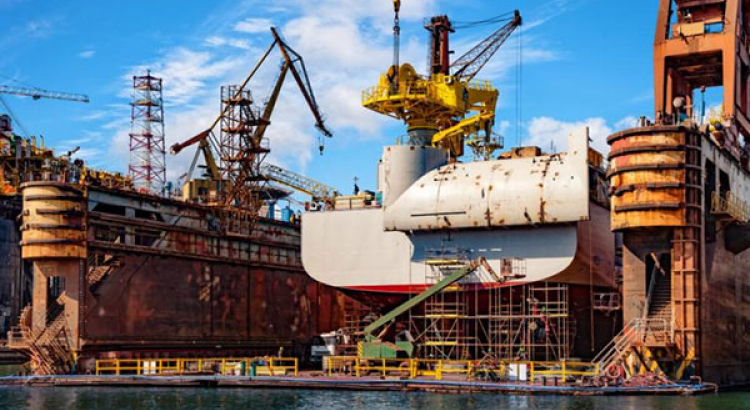 IntroductionProject introduction:has demonstrated its ability to conduct successful drilling operations in some of the most demanding environments on the planet.Why Choose UsThe other project in the oil sector is the long-planned construction of the petroleum products pipeline system through MexicoOil & Gas Industry
 -
 IntroductionPower industry projects demand steel pipes that deliver high strength, heat resistance, and long-term reliability under extreme operating conditions. Designed to withstand high temperature, high pressure, and corrosive environments, these pipes ensure safe and stable energy transmission.Power Industry
 -
 IntroductionSteel pipes used in offshore and marine projects are engineered to withstand extreme conditions, including high pressure, saltwater corrosion, and harsh environments. From subsea pipelines to offshore platforms, these pipes deliver safe, efficient fluid transmission for critical operatioOffshore & Marine
