Product Description of Steel Plate:
Steel plates are flat, wide steel products with a thickness typically ranging from 3mm to over 200mm, manufactured via hot or cold rolling processes. They are fundamental structural materials across industries, categorized by composition, strength, and application:
Carbon Steel Plates: Low-alloy steel with carbon content ≤2.1%, offering excellent weldability and cost-effectiveness. Common grades include ASTM A36, EN S235JR, and GB Q235B, widely used in general construction, machinery frames, and vehicle components.
High-Strength Low-Alloy (HSLA) Plates: Alloyed with elements like manganese, chromium, and nickel to enhance yield strength without sacrificing ductility. Grades such as ASTM A572 Grade 50 (≥345MPa yield strength) and EN S355J2 are ideal for heavy-duty structures like bridges, crane beams, and offshore platforms.
Stainless Steel Plates: Containing ≥10.5% chromium, providing exceptional corrosion resistance. Austenitic grades (304/304L, 316/316L) dominate food processing equipment, chemical storage tanks, and architectural cladding, while ferritic grades (430) suit decorative and heat-resistant applications.
Weathering Steel Plates: Also known as corten steel, with alloy additions of copper, phosphorus, and nickel to form a protective oxide layer. ASTM A588 and EN S355J2W are designed for uncoated outdoor structures like bridges, transmission towers, and landscape architecture, reducing long-term maintenance costs.
Wear-Resistant Plates: Hardened steel plates with a Brinell hardness of 360–600 HB, engineered to withstand abrasive wear. Grades like AR400, AR500, and Hardox 450 are critical for mining machinery, concrete mixing equipment, and bulldozer blades.
Main Characteristics of Steel Plate
1.Good strength, toughness and plasticity
2.High structural stability and load-bearing capacity
3.Easy to cut, weld, bend and process
4.Uniform thickness and high dimensional accuracy
5.Can be coated, galvanized or painted for improved corrosion resistance
Surface Treatment & Processing Conditions of Steel Plate
Surface treatments enhance performance and extend service life:
Hot Rolled (HR): Oxide scale on the surface, suitable for non-aesthetic structural components. Cost-effective and widely used in construction.
Cold Rolled (CR): Smooth, precise surface finish with tight dimensional tolerances, ideal for automotive panels, electrical appliances, and precision machinery.
Pickled & Oiled (P&O): Oxide scale removed via acid pickling, followed by oil coating to prevent rust. Improves paint adhesion and is common in fabrication.
Blast Cleaned: Surface roughened via shot blasting to remove contaminants, enhancing the bond between the plate and protective coatings like paint or epoxy.
Galvanized: Hot-dip galvanizing applies a zinc coating, providing superior corrosion resistance for outdoor structures, fencing, and HVAC systems.
Quality Control & Testing of Steel Plate
Reputable manufacturers conduct rigorous testing to ensure compliance with standards:
Mechanical Testing: Tensile tests to measure yield strength, ultimate tensile strength, and elongation; Charpy V-notch impact tests to evaluate low-temperature toughness.
Chemical Analysis: Spectrometric analysis to verify alloy composition and ensure it meets grade requirements.
Non-Destructive Testing (NDT): Ultrasonic testing (UT) for internal defects, magnetic particle testing (MT) for surface cracks, and radiographic testing (RT) for critical components.
Dimensional Inspection: Laser or caliper measurements to confirm thickness, width, and length tolerances.
Application of Steel Plate:
Selecting the right steel plate depends on load requirements, environmental conditions, and cost considerations:
Building Construction: Use ASTM A36 or S235JR for floor slabs, beam connections, and curtain wall supports. For high-rise columns, opt for A572 Gr50 or S355J2 to reduce material weight.
Bridge Engineering: Weathering steel (A588) or high-strength HSLA plates (A572 Gr60) are preferred for main girders and crossbeams, balancing durability and structural performance.
Pressure Vessels: ASME SA-516 Gr70 or EN P355GH plates ensure compliance with safety standards, with strict controls on carbon content and impact toughness.
Marine & Offshore: Stainless steel 316L or corrosion-resistant alloy plates are essential for ship hulls, offshore platforms, and subsea pipelines to withstand saltwater exposure.
Mining & Quarrying: AR400 or Hardox 450 wear-resistant plates protect equipment from rock abrasion, reducing downtime and replacement costs.
Orich Metal has engaged in the steel industry for 30+ years with rich experience and strong strengths. We offers a comprehensive range of steel plate, including sizes, lengths and grades.
Get a free quote and special discount now: info@orichpipe.com


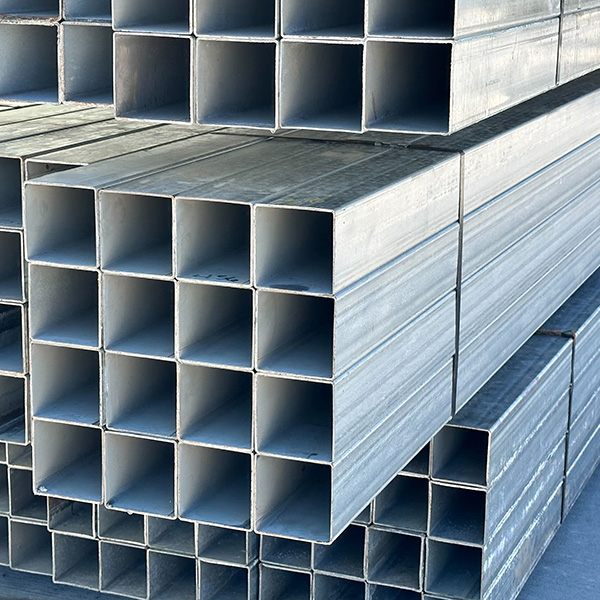


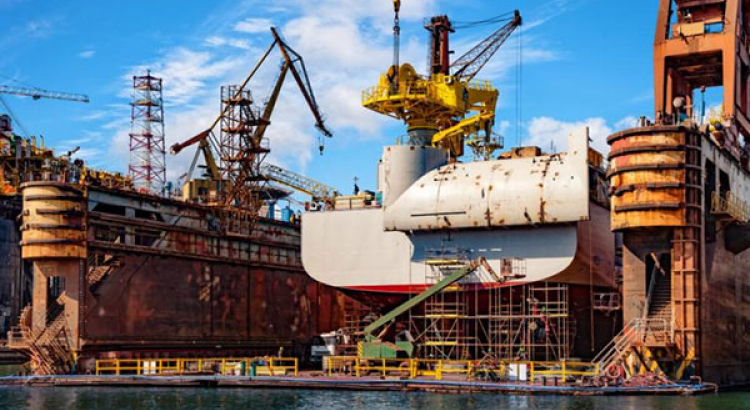 IntroductionProject introduction:has demonstrated its ability to conduct successful drilling operations in some of the most demanding environments on the planet.Why Choose UsThe other project in the oil sector is the long-planned construction of the petroleum products pipeline system through MexicoOil & Gas Industry
 IntroductionPower industry projects demand steel pipes that deliver high strength, heat resistance, and long-term reliability under extreme operating conditions. Designed to withstand high temperature, high pressure, and corrosive environments, these pipes ensure safe and stable energy transmission.Power Industry
 IntroductionSteel pipes used in offshore and marine projects are engineered to withstand extreme conditions, including high pressure, saltwater corrosion, and harsh environments. From subsea pipelines to offshore platforms, these pipes deliver safe, efficient fluid transmission for critical operatioOffshore & Marine
